

Module 1: Planning and designing gardens for food
In this module you will learn the basic requirements for growing plants and how to assess and evaluate a site for growing food plants. You will also explore garden history and see how this links to the design of food gardens today. Some methods for growing different types of food plants will also be covered as well as how climate influences plant selection. The final section of this module will look at the important tools and equipment used to grow food plants.
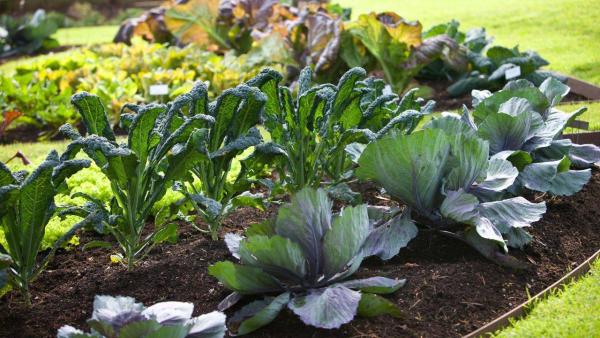
Lesson 1 - Plant types and the basics of growing
Planning a space or garden to grow food can be daunting but understanding how plants grow and translating that understanding to your own patch or space is a great way to start.
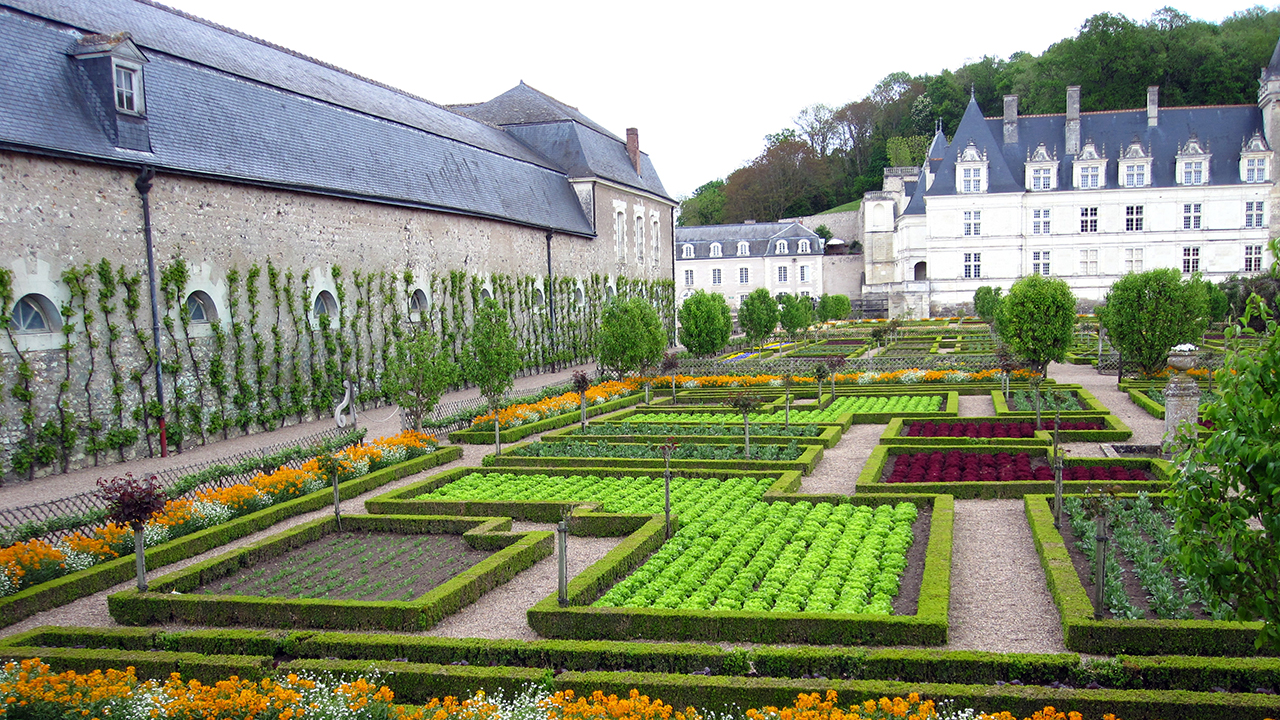
Lesson 2 - Design tips from history
Naturally, the very first gardens were those producing food – generally agricultural crops based around domesticated plants. Depending on what part of the world these gardens were located, many…
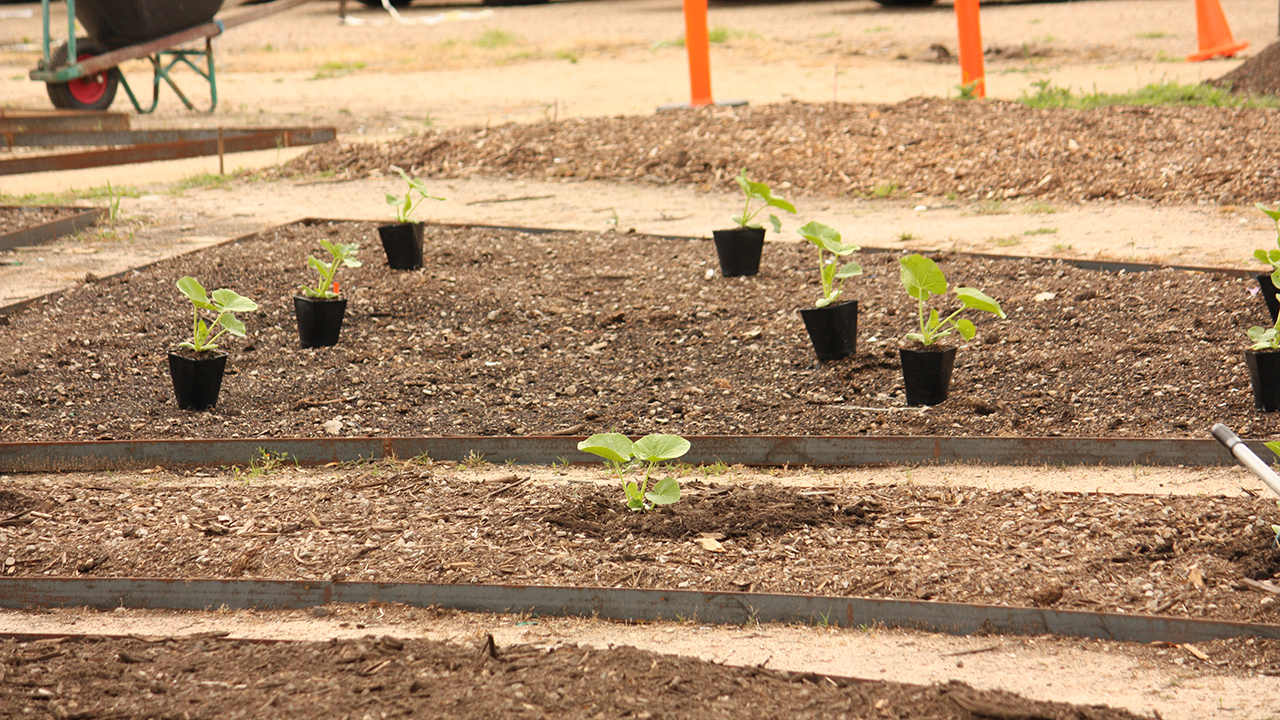
Lesson 3 - Site assessment (space and layout)
It’s a good idea to have a method for evaluating your site before starting your food garden. Site assessment and analysis are essential to the planning and design process for growing plants so having…
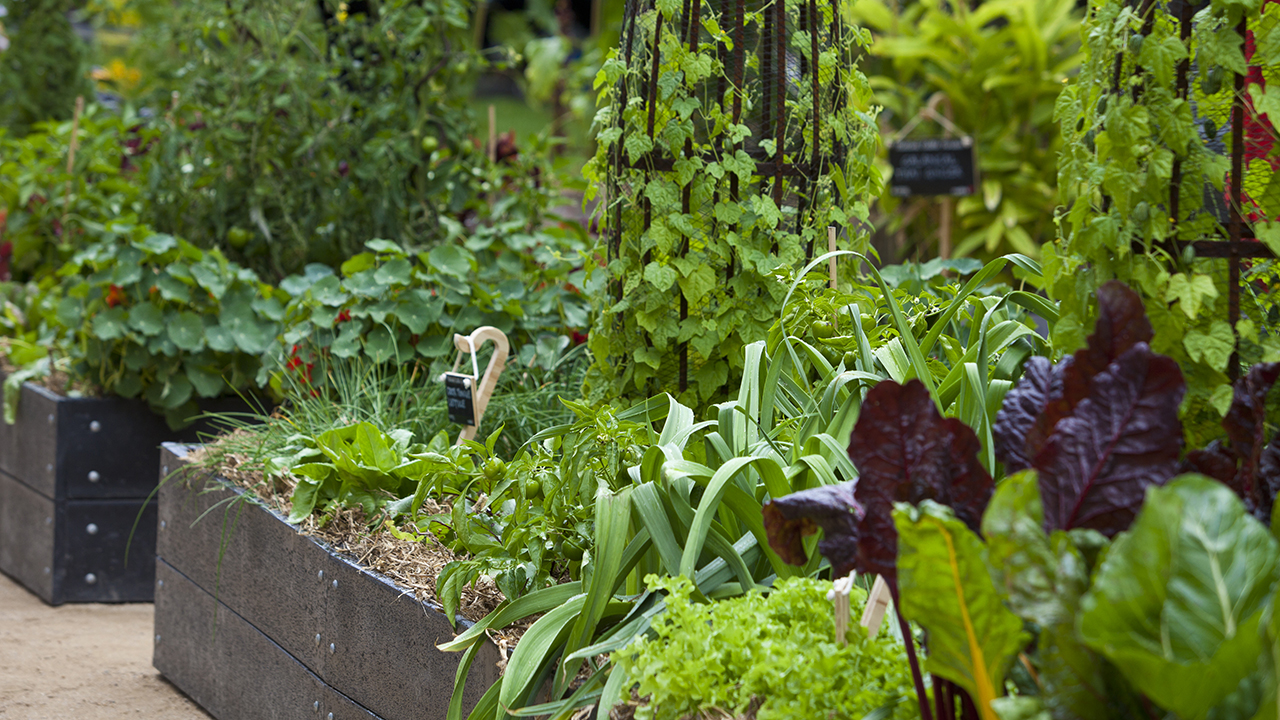
Lesson 4 - Growing methods
From a site assessment, you will have identified what parts of your space are best for growing and started to plan your food garden in more detail. Many food plants can be grown directly into…
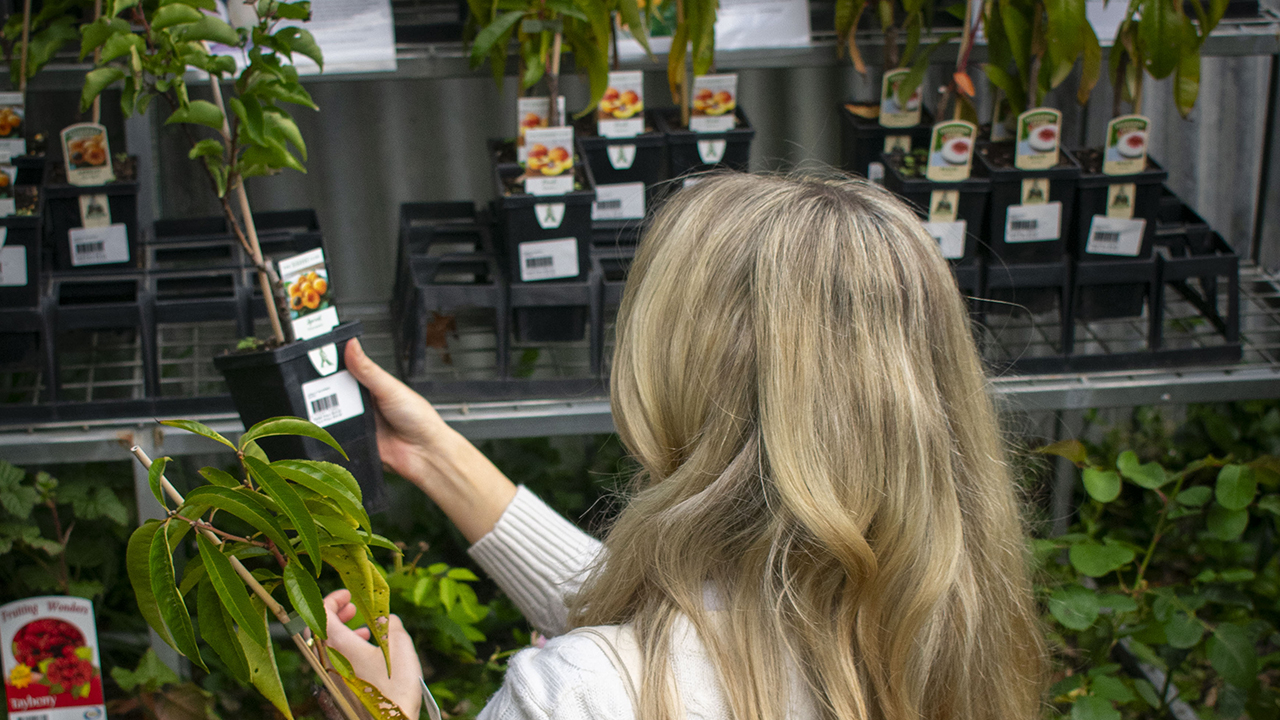
Lesson 5 - Choosing plants, tools and equipment
Matching your food plants to the climate you live in is important for growing success. but climate can be a little complex. We have already introduced climate in Lesson 3 - Site assessment. In terms…
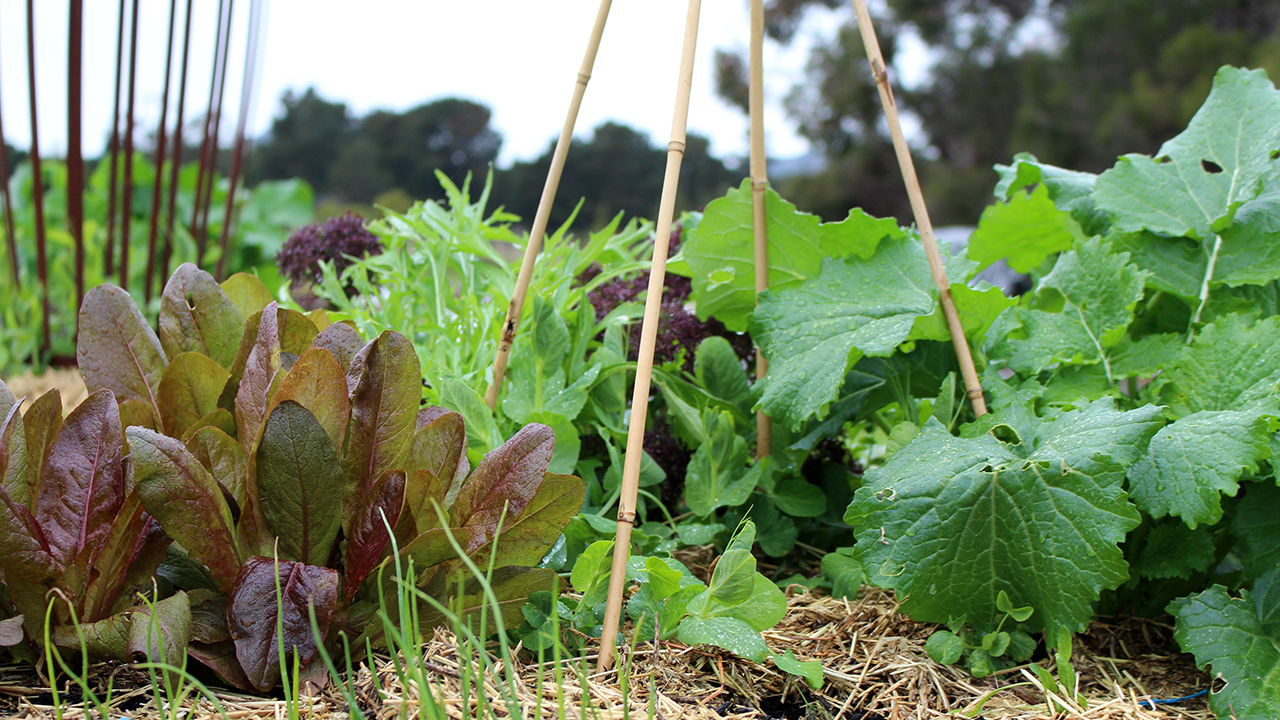
Quiz - Summing up planning and designing food gardens
Well done! You made it to the end of Module 1. We thought you might need a little summary of what we have covered so far and also you might like to test your retained knowledge. The quiz is not recorded anywhere, and it is not a pre-requisite to moving to the next module.